Most musicians make one kind of content, usually the announcement, and wonder why the feed feels thin. The truth is that every artist has five kinds of story available, and the ones people follow are drawing on all of them.
This guide lays out the five pillars, what each one looks like in practice, and a mix that keeps the feed both useful and current. It’s about what to make. The Three Circles of Social Media Content is about the balance between art, community and promotion; the two frameworks fit together.
1. The process: the studio as the stage
How a song gets made is at least as interesting to your audience as the song. The experiments, the false starts, the moment the arrangement clicks, the tools you’re using and why.
- Document a new sound or technique as you try it
- Show a song’s evolution from voice memo to master
- Reveal the setup, the plugins, the room, honestly
- Capture the moment it works
You aren’t giving away secrets. You’re building appreciation for the craft, and appreciation is what turns a listener into a fan.
2. The performance: every take is a time capsule
A performance, polished or raw, is a record of where you were as an artist on that day. People want the polished ones and they want the ones in between.
- The energy of a show, from the stage and from the crowd
- The intimacy of a practice session
- Improvisation, when it goes somewhere
- The same song, played differently a year later
The moments around the performance are often the best content: tuning up, the pre-show ritual, the walk off stage. Don’t only share the perfect takes.
3. The personal connection: the story behind the song
People remember how you made them feel, and what makes them feel something is the story. Why the song exists. What was happening. Who it’s for.
- The story behind each song, in your words
- Life on the road, from the inside
- Real conversation with the audience: questions answered, replies that are actually replies
- The ups and the downs of the career, not just the ups
This pillar needs the least production and the most honesty. It’s also the one that makes the other four land.
4. The teaching: what you know is worth something
The most followed musicians online are often followed first for what they teach. Knowledge shared builds expertise, community, and a way in for people who’d never have found the music.
- Tutorials on your techniques
- Insight into your creative process
- Honest takes on tools, gear and software
- Guidance through the industry: releases, royalties, touring, the things you had to learn the hard way
Teaching doesn’t lower your value as an artist. It establishes it.
5. The milestones: chapters, not announcements
Every achievement is a chapter in a longer story. The mistake is posting it as a notice. The move is telling it as a chapter.
- Frame a release as a marker on a journey
- Document the road to a significant show, not just the show
- Share why a collaboration happened and what it was like
- Celebrate wins as shared with the people who made them possible
The announcement is one post. The story around it is a month of them.
The 40 / 40 / 20 mix
Across a month, aim for:
- 40 percent evergreen. Tutorials, techniques, insights that stay useful for years. This content keeps working long after it’s posted and brings in new people continuously.
- 40 percent timely. Releases, tours, the current project. This sells what’s happening now.
- 20 percent reactive. Trends that fit, fan interaction, spontaneous moments. This keeps the feed alive and human.
The evergreen share is what most artists skip, and it’s the one that compounds. A tutorial posted two years ago is still finding people. A tour announcement from two years ago isn’t.
Putting the pillars to work
Audit what you’re already telling. Which pillars show up in your last thirty posts? Most artists find they’re heavy on milestones and thin on process and teaching.
Make buckets. A running list of ideas under each pillar, so there’s always something to make. Ideas that fit two pillars are the best ones: a tutorial built on the process of your own song is teaching and process at once.
Build the habit around capture. Process and performance content comes free if the phone is recording during sessions and shows. Teaching and milestone content is planned in a monthly batch. Building Creative Systems That Scale is the setup.
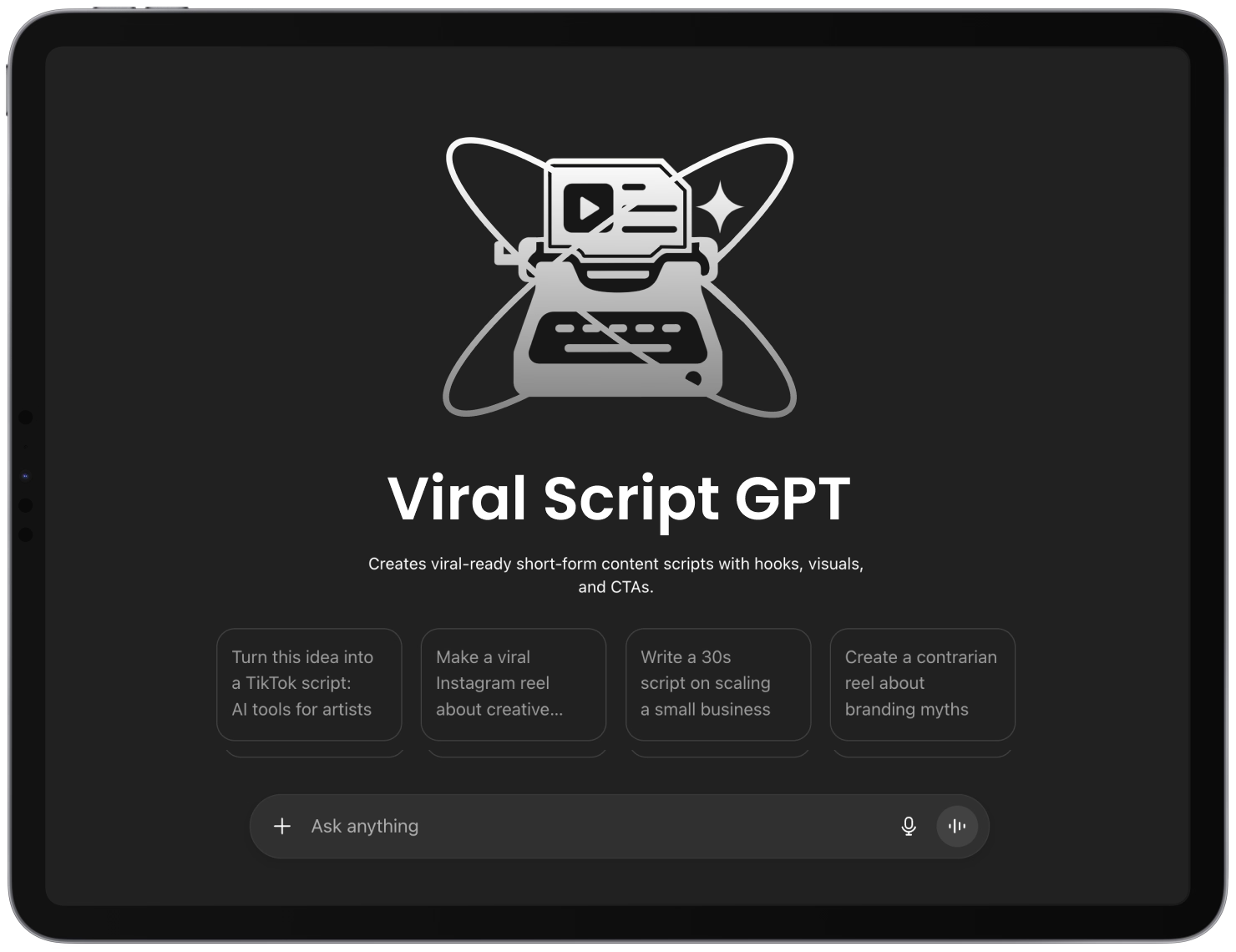
Script the ones that need structure. A tutorial or a milestone story benefits from a shape: hook, visuals mapped to the beats, an ending that doesn’t sound bolted on. If that’s the part that stalls you, the Viral Script GPT does the structure from a raw idea.
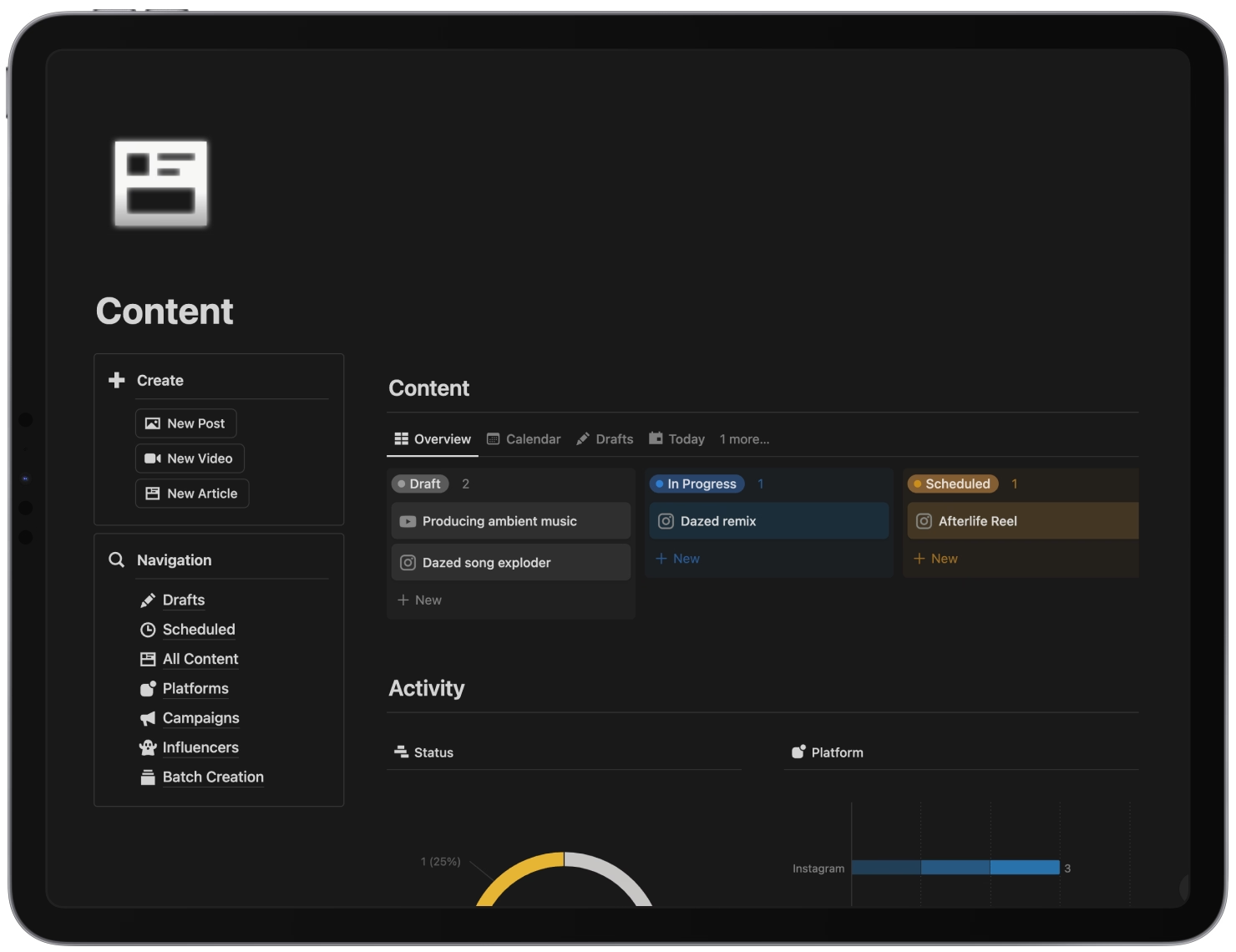
Keep it somewhere you can see. The Content template in Musician OS lets you tag posts by pillar and by mix, so the month’s balance is visible before it’s posted. A calendar with five colours works too.
Start with one
Don’t try to run all five at once. Pick the pillar that comes most naturally, and do it well for a month. For most artists that’s process or performance, because the material already exists. Add teaching when you notice questions in the comments. Add milestones as they happen, framed as chapters.
The pillars aren’t a content strategy in the sense of a plan to be executed. They’re a reminder that you already have more to say than you think, and that the people following you want to hear it. Content that comes from that place enhances the music. Content made to feed a schedule competes with it. Choose the first kind, and the feed will take care of itself.
Frequently asked questions
What kind of content should a musician make?
Five kinds, and most artists only make one. The process (how the music gets made), the performance (live, practice, improvised, in every state of polish), the personal connection (the stories behind the songs and the life around them), the teaching (what you know that others want to learn), and the milestones (releases, shows and achievements framed as chapters of a story). A feed that draws on all five never runs dry.
What is the 40/40/20 rule for content?
A mix for a musician's content over a month: 40 percent evergreen (tutorials, techniques, insights that stay useful for years), 40 percent timely (releases, tours, the current project), and 20 percent reactive (trends, fan interaction, spontaneous moments). Evergreen content keeps working after it's posted, timely content sells what's happening now, and the reactive share keeps the feed alive.
Should musicians make tutorial content?
Yes, if you know something people want to learn, and most musicians do. Teaching establishes expertise, brings in people who'd never have found the music, and builds a community around the craft. It doesn't diminish your value as an artist. Some of the most followed musicians online are followed first for what they teach.
How do I make content about a release without just announcing it?
Frame the release as a chapter rather than an event. Tell the story of how the song got there, document the road to the show, share why the collaboration happened, and celebrate milestones as wins shared with the people who made them possible. The announcement is one post; the story around it is a month of them.