Every day in a studio produces moments worth sharing, and nearly all of them vanish because nobody was set up to catch them. The fix isn’t more effort. It’s a system that captures while you work, processes on a schedule, and publishes on a rhythm, so content scales with the music instead of stealing from it.
This guide builds that system in four parts and then puts it on a week. It’s the operating side of The 80/20/20 Principle, which explains why the ratio is worth it; this is how to run it.
The four parts
1. The creation space
Content starts with the conditions for making music, so start there. A designated time, a space with fewer distractions, tools where you can reach them, and a small ritual that tells your brain it’s time: a playlist, a coffee, the same chair. The point of the ritual is that it makes the creative session predictable, and predictable sessions can be captured.
2. The capture system
Ideas and moments arrive on their own schedule. The capture system’s only job is to be there:
- A phone on a stand, recording, during every session. You’ll forget it’s there, which is the point.
- A notes app open for lyrics, melody ideas and a running list of “that moment, cut that”.
- Voice memos for anything that happens away from the desk.
- Screen recording for the session view when something interesting happens in the arrangement.
- Automatic backup to the cloud, so a lost phone isn’t a lost month.
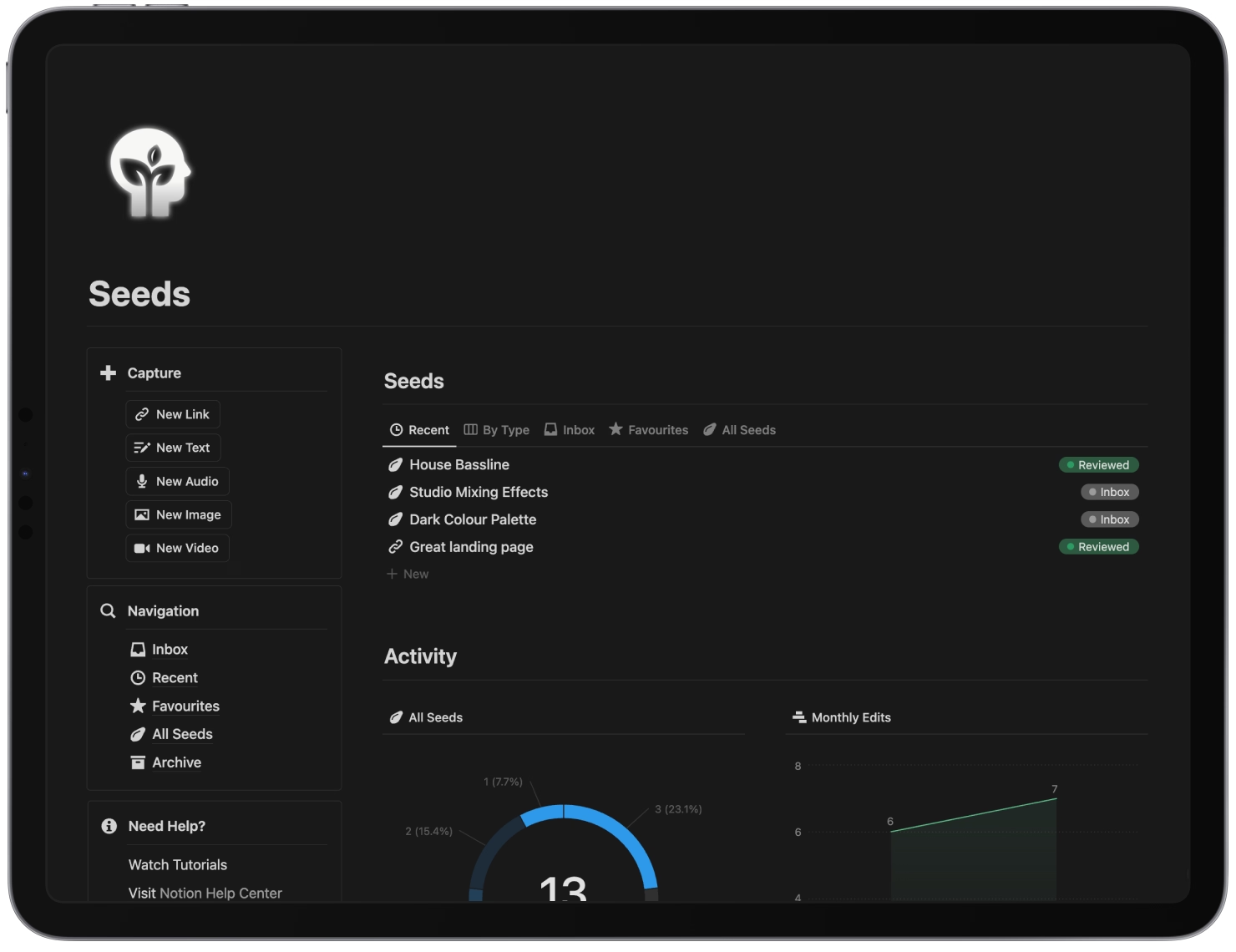
Start with the phone and the note. Add the rest only if you find yourself wishing you had them. The free Seeds template is built for the ideas side of this: fast capture by type, tags to find them again, and a feed straight into songwriting.
3. The processing pipeline
Raw capture is worthless until someone looks at it. Once a week, in a fixed slot:
- Go through the week’s footage, notes and memos
- Pull the moments worth cutting into a shortlist
- Move song ideas into the songwriting pile
- Archive the rest without guilt
Half an hour. If it takes longer, you’re capturing too much or reviewing too rarely.
4. The distribution calendar
The last part is a simple calendar that answers what goes out, where and when:
- Monthly: a theme or a focus, usually tied to a release or a season
- Weekly: the posts, cut from the shortlist, scheduled ahead
- Daily: a short window for replying and watching what lands
- Results: noted next to the posts, so next month’s plan learns from this one
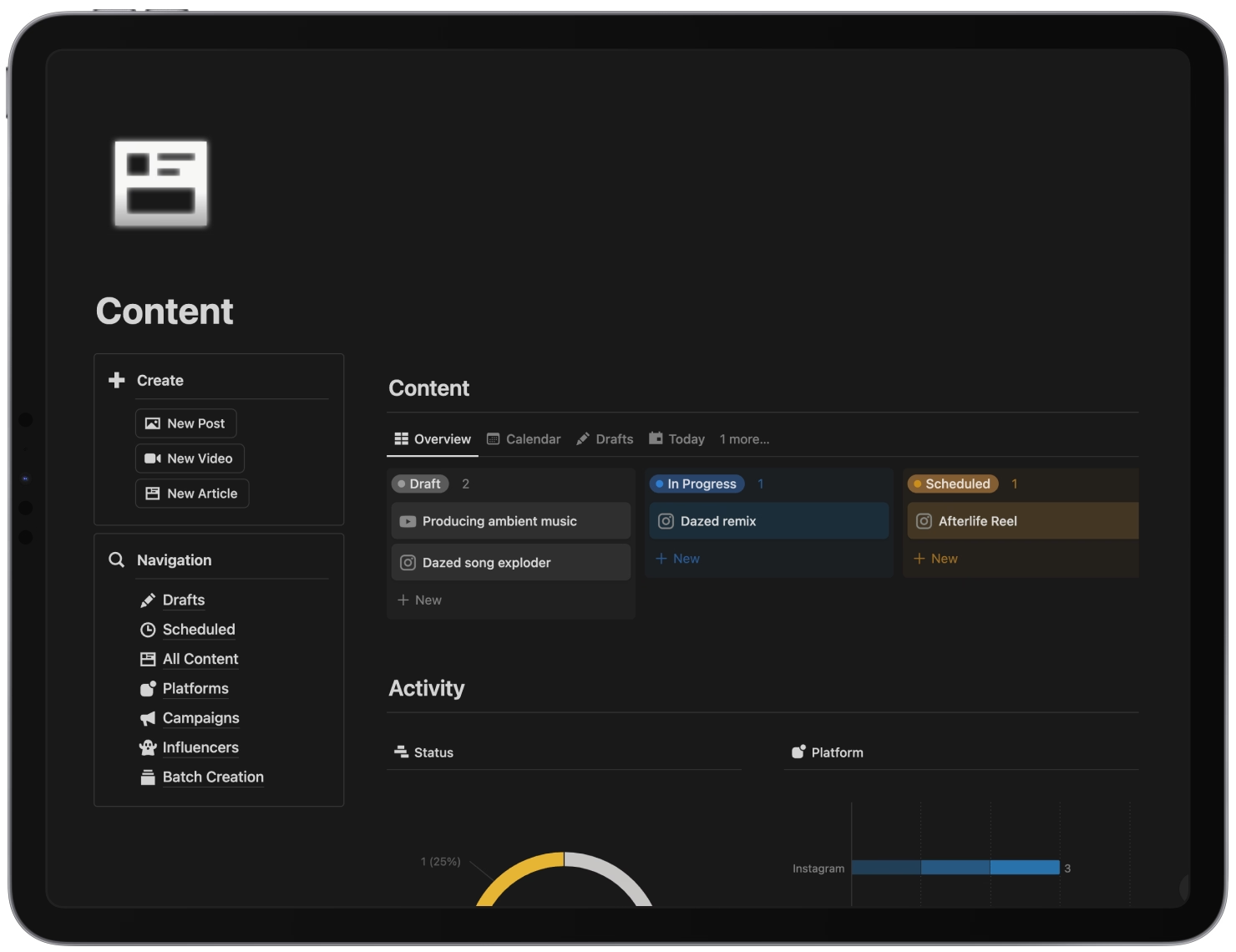
The Content template in Musician OS is exactly this calendar, with the post templates and the campaign results in the same place. A spreadsheet works. What matters is that the schedule exists somewhere other than your head.
The batch creation method
Daily content made daily is the thing that burns people out. Batching replaces it with two kinds of session:
A monthly creation day. The polished material that needs setup: photos, performance videos, a tutorial, an interview-style piece. One day, a month of hero content.
A weekly cutting session. The footage the capture system collected turned into posts: process clips, story content, updates, the moment the bridge landed. An afternoon, a week of posts.
Between them, there’s nothing to make on any given day. There’s only posting and replying.
A week that holds it
Shift the days to suit gigs and jobs. Keep the shape.
Monday: plan. No creating, no posting. Look at the month, the release calendar and the shortlist, and decide what this week is for. Twenty minutes.
Tuesday to Thursday: make music. These are the real days. Capture runs in the background; you don’t think about it. If something happens worth noting, you write three words in the note and carry on.
Friday: produce. Turn the week’s capture into next week’s posts. Cut, caption, schedule. Don’t create anything new. Curate what exists.
Weekend: rest and reply. Watch what landed, answer people, let ideas arrive. No production, no scheduling. The gap is where the next week’s ideas come from.
The rhythm is what makes the system scale. A week with clear days for making and clear days for producing can absorb a release campaign or a tour without collapsing, because nothing depends on doing everything every day.
Keeping the system in its place
The system exists for the music. If any part of it fights the creative work, change the part. A capture setup that makes you self-conscious gets moved out of eyeline. A Friday that keeps overrunning means the shortlist is too long. A calendar that feels like a boss gets simplified.
Start with one piece: the phone on the stand, or the Friday session, or the Monday twenty minutes. Run it for a month. Add the next when the first feels normal. The goal isn’t to become a content machine. It’s to be more of an artist, with a machine running quietly behind you.
Frequently asked questions
How do musicians create content consistently without burning out?
By separating capture from production. Record everything during normal creative work with a phone on a stand and a running note, then turn that raw material into posts in one batch session a week. Content becomes a by-product of the music rather than a second job, and a week of posts comes out of an afternoon.
What is batch content creation?
Making many pieces of content in one dedicated session instead of one piece every day. A monthly session for the polished material (photos, performance videos, tutorials) and a weekly one for cutting the footage you captured naturally. Batching removes the daily decision of what to make and lets you schedule weeks ahead.
How should a musician structure their week for content?
One planning day, three creation days with capture running in the background, one production day to cut and schedule, and a light weekend for replying and thinking. Monday plans, Tuesday to Thursday make music, Friday turns the week's footage into posts. Shift the days to suit your gigs and job; keep the shape.
What tools do I need to capture content while making music?
A phone on a stand that records during sessions, a notes app for the moments worth cutting and for lyric or melody ideas, a screen recorder for the session view, and automatic cloud backup so nothing is lost. The best capture system is the one you don't have to remember to use.