A song’s first week on streaming platforms is mostly decided before it exists there. The pre-saves, the follows, the people who already know the chorus from a clip, the playlist pitch that went in ten days early: those are what platforms and listeners see on day one. A song that arrives with none of them is starting from zero in front of an algorithm that rewards the opposite.
This guide is a six-week plan for building that momentum as an independent artist, without a label’s budget. It covers what to post and when, how to pick the parts of the song to lead with, what pre-saves and playlist pitches actually do, and how to measure whether it’s working.
It assumes you have a finished, mastered track. If you don’t yet, The Three Phases of a Modern Music Release covers the whole arc, and this guide sits inside its first phase.
Why the weeks before matter more than release day
Three things are true at once about releasing music in 2026.
There is more of it than anyone can hear. Luminate’s annual reports have put new tracks arriving on streaming services at over 100,000 a day since 2023. Quality is the entry fee, not the differentiator.
Platforms rank songs by early signals. Saves, repeat listens, playlist adds, follows, skip rate, all measured from the first hours. A song that gets a burst of those on day one is shown to more people. A song that gets none is quietly filed. This isn’t a conspiracy against small artists, it’s how recommendation systems work: they need a signal, and the pre-release window is where you create one.
People stream what they recognise. Familiarity is most of the reason anyone presses play. If a listener has heard your chorus three times in clips over the past month, the release is a reunion. If they haven’t, it’s a cold pitch.
Put together: the job of the pre-release window is to make sure that on release day, a group of people who already know the song is waiting to stream, save and share it. Everything below serves that.
Start with the hook points
Before you plan any content, listen to the song like someone scrolling. Which 10 to 30 second sections stand up on their own with no context?
Most songs have two or three:
- The chorus, or the second half of it
- The drop, the riff, the moment the arrangement opens up
- A lyric that says something people would want to caption a video with
- An intro or breakdown with a distinctive sound
Rank them. Your strongest hook is the one you want people to associate with the song. Your second-strongest goes out first, so the best one lands once there’s already some attention.
Cut each hook as a clean audio bounce of the right length, and note the timestamp. These are the raw material for everything in the next six weeks. If you can’t find two, that’s useful information too: a song with no obvious short-form moment needs a campaign built more around story than snippets.
The six-week plan
This is a shape, not a rulebook. Compress it for a quick single, stretch it for a lead track from an album. The order matters more than the exact dates.
Weeks six and five: get the boring parts done first
Deliver the track to your distributor now. Most distributors want two to four weeks to guarantee delivery to all platforms, and editorial playlist pitching requires the track to be delivered and scheduled. Late delivery is the most common way a campaign quietly fails.
Set the release date deliberately. Fridays are the convention because that’s when platforms refresh their editorial playlists and Release Radar. Avoid a Friday with a major release in your genre if you can see one coming.
Make the assets once. Artwork, a canvas loop for Spotify, three or four vertical clips per hook point, a press note in two lengths, a lyric sheet. Batch it in one week so the campaign doesn’t depend on you making something every day.
Ask your distributor about pre-release delivery to TikTok and Instagram. Many can make the audio available there before the streaming date, which means clips people make with it in the pre-release window attach to the official sound.
Week four: first snippet, second-best hook
Post the second-strongest hook point, with context that makes it a question. Studio footage, the moment you wrote the line, a caption that asks something. The aim is a small group of people who now know one part of the song.
Reply to every comment for the first day. Early replies keep the post alive and tell the platform there’s conversation on it.
Don’t announce the release date yet. A date with nothing behind it is easy to ignore. A date attached to a song people already like is a reminder.
Week three: pitch playlists and open pre-saves
Submit the editorial pitch. Spotify for Artists takes pitches for unreleased music only and asks for at least seven days’ notice. Do it now, with the delivered track, a genre, moods, and a short description written for a human. Even if no editor picks it, pitching is what puts the song in your followers’ Release Radar on release day, and for most independent artists that’s the bigger win.
Open the pre-save. Your distributor probably provides a pre-save link, or use a link service. A pre-save adds the song to the listener’s library at midnight on release day and usually follows your profile, which gives you the day-one cluster of streams and saves that platforms look for.
Announce the date alongside the pre-save link, using the same second-best hook. “Out on the 24th” means something now that people have heard it.
Week two: the main hook
Now post the strongest hook point. This is the clip you’d want a stranger to see once. Cut it three ways (performance, lyric on screen, process) and post them across the week rather than all at once.
If the second-best hook produced anything interesting in the comments, reference it. People who were there early like being acknowledged, and it makes the campaign feel like a conversation rather than a schedule.
This is also the week to send the song privately to the twenty or thirty people who care most: the fans who reply to everything, the friends in other bands, the local blog that covered you last time. Not a mass email. Individual messages with the private link and one sentence about what the song is.
Week one: connect the pieces
Post a clip that joins the two hooks together, or shows the section between them. Listeners who’ve heard both now hear how they relate, and the full song stops being an unknown quantity.
Remind about the pre-save once, not daily. Line up release-day content: a clip that pays off what the teasers promised, a thank-you to the people who pre-saved, a story that walks through the artwork or the lyric.
Confirm with your distributor that the release is scheduled and visible. Check the metadata (title, featured artists, ISRC) against what’s on your pitch and your pre-save page.
Release day and the week after
Release day is a conversion moment, not the campaign. Post the payoff clip, share the link everywhere once, and spend the day in the comments.
The week after is where the momentum either compounds or dies. Post the parts of the song you didn’t tease. Share any playlist adds. Cut an acoustic or alternate version for the weekend. Start, gently, on the next hook point of the next song.
What to measure
Vanity numbers are easy to collect. These are the ones that tell you whether the plan is working:
- Saves per stream in the first week. A high ratio means people intended to come back. Platforms weight it heavily.
- Pre-saves and follower growth during the campaign. If neither moves in weeks three and two, the hook point or the framing isn’t landing.
- Completion rate on each clip. Which hook point held attention. That one leads the next campaign.
- Where release-day listeners came from. Spotify for Artists shows the split between your profile, playlists, and other sources. Release Radar numbers tell you whether the pitch worked.
- Comments that quote a lyric. The clearest signal that a hook point has stuck, and free copy for the next post.
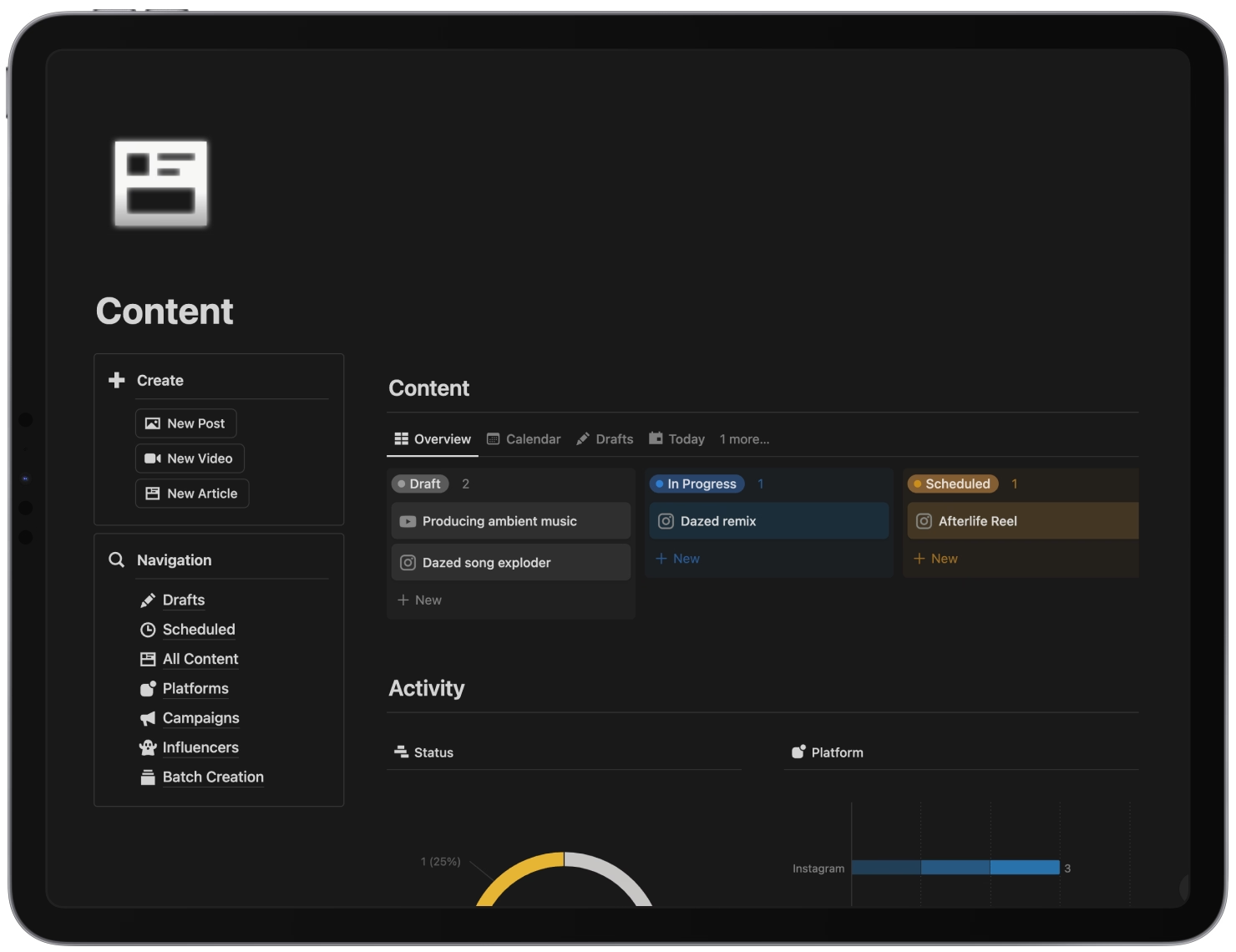
Keep these in one place for each release, so the third campaign can learn from the first two. The Content template in Musician OS tracks campaign performance alongside the posts themselves, which is the point: you want the numbers next to what produced them.
The things that go wrong
Making content every day instead of making good content once. Three excellent cuts of a strong hook beat twenty average ones. Batch the assets in week six and spend the rest of the campaign replying, not producing.
Announcing the date first. A date with no song behind it is a calendar entry. Lead with the sound.
Missing the distributor window. Deliver early. Nothing else in the plan works if the track isn’t live and scheduled by week three.
Treating pre-saves as the campaign. They convert attention you’ve already built. They don’t create it.
Running every platform. Pick the one or two where your listeners actually are and do those properly. Expand once the workflow is boring.
Going quiet after release. The algorithm’s interest in the song lasts a few weeks. So should yours.
Running it more than once
The first campaign is the hardest because you’re building the process and the audience at the same time. The second is easier because the people who pre-saved the first song are now followers who get the next one in Release Radar automatically. By the third, you have a folder of assets, a timeline you’ve run twice, and data on what your listeners respond to.
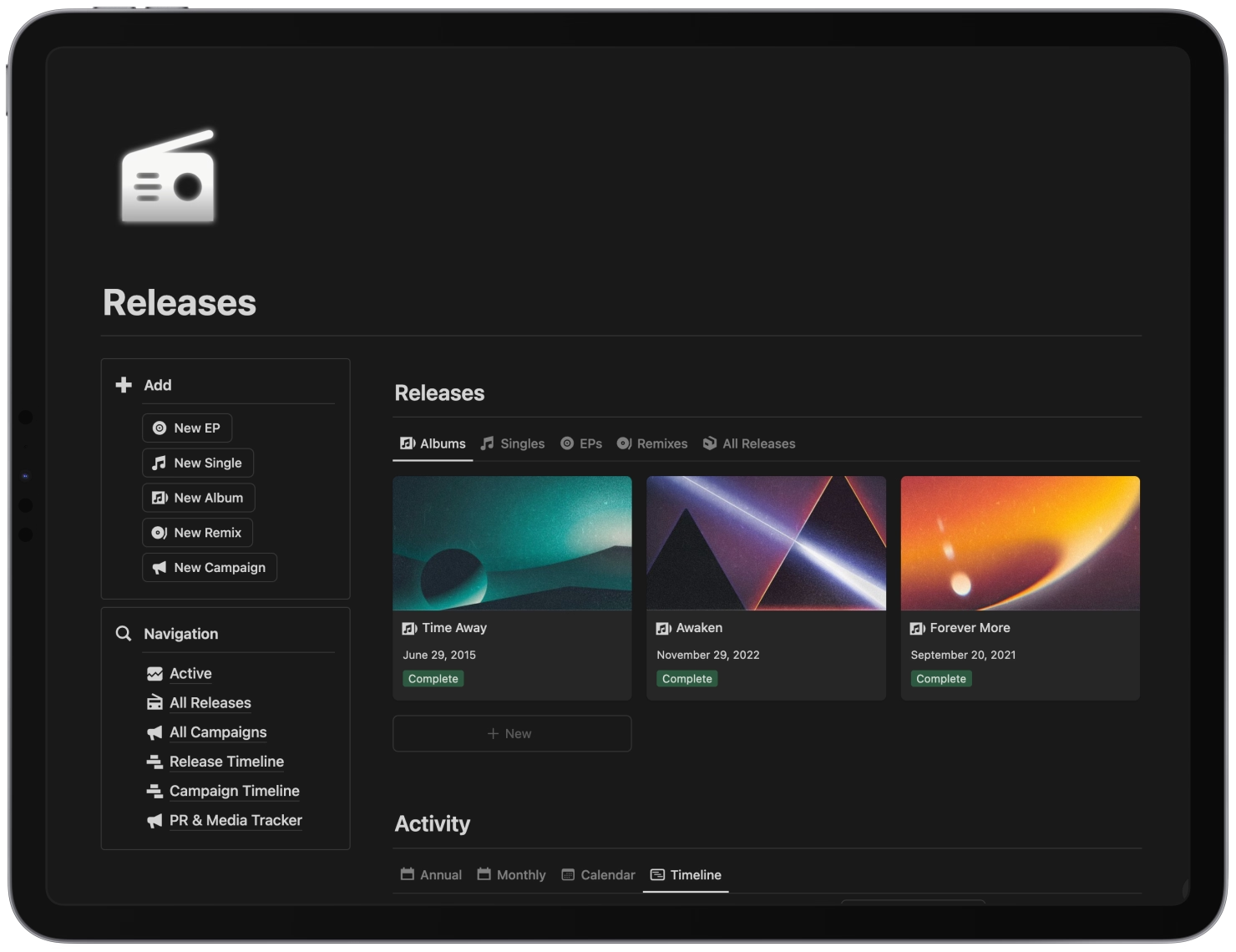
That’s the actual engine: not any single tactic, but a repeatable six-week shape that each release inherits from the last. The Releases template in Musician OS runs this timeline as task automations from the moment you set a date, so the pre-release checklist exists before you’ve thought about it. A calendar with the six weeks blocked out works too. What matters is that the next release starts with a plan instead of a blank page.
Frequently asked questions
How far in advance should I start promoting a song?
Six weeks before release is a practical minimum for an independent artist. That gives you time to deliver the track to your distributor, pitch it for editorial playlists at least a week out, run a pre-save, and post a sequence of snippets that builds familiarity before the song exists on streaming platforms. Bigger campaigns run longer, but six weeks is enough to do all of that properly.
Do pre-saves actually help a release?
Yes, modestly. A pre-save adds the song to a listener's library the moment it goes live and usually follows your artist profile, which produces a cluster of first-day streams and saves from people who already wanted the song. Those early signals are what platforms use to decide whether to show it to more listeners. Pre-saves don't rescue a song nobody has heard of, so they work best at the end of a campaign, not as the whole campaign.
What is a hook point in a song?
A hook point is a 10 to 30 second section of the track that works on its own in a short video: a chorus, a drop, a lyric that lands, a distinctive instrumental phrase. Most songs have two or three. Pre-release content is built by posting those sections in a sequence, so listeners have heard the song several times before it's released and recognise it when it arrives.
How do I pitch a song to Spotify editorial playlists?
Deliver the track to your distributor early, then submit it through Spotify for Artists before the release date. Spotify asks for at least seven days' notice and only accepts unreleased songs, so the pitch has to happen during the pre-release window. Pitching also puts the song in your followers' Release Radar on release day, which is the more reliable benefit for a small artist.