A release is a process, not a moment. The song that does well on a Friday was set up for weeks before, and it keeps doing well because someone kept working on it for weeks after. The artists who treat release day as the whole job get a spike and a silence.
This guide breaks a modern release into its three phases, says what each one is for, and gives the checklist. Release Music Like a Pro covers the tools; The Pre-Release Momentum Engine goes deep on the first phase. This is the frame the other two sit in.
Phase one: pre-release
Four to eight weeks before the date. The phase most independent artists skip, and the reason most independent releases go nowhere. It has three jobs.
Clean the house
New listeners who find the song will look you up. What they find should look like it belongs to the artist who made it.
- Update bios and profile photos on every platform so they match
- Refresh streaming profiles: banner, bio, links, the artist pick
- Claim and verify your profiles on Spotify for Artists and Apple Music for Artists if you haven’t
- Archive anything old enough to confuse a new listener about who you are now
Build the content bank
The mistake is making content during the campaign. Make it before, in one batch, so the campaign is posting and replying rather than producing:
- Studio and writing footage, including the phone recordings you forgot you had
- Three or four vertical cuts per hook point of the song
- Artwork in every size and shape the platforms want
- Lyric snippets and a visualiser
- A short piece on how the song was made
- A press note in two lengths and a private streaming link
Warm the audience
Platforms decide what to do with a song from the first hours of signals. The signals come from people who already knew it was coming.
- Post snippets in a sequence, second-best hook first
- Deliver the audio to TikTok and Instagram early through your distributor, if they offer it
- Pitch editorial playlists at least seven days out
- Open the pre-save once people have heard something
- Reply to every comment and go live once; the people who show up here are your day-one listeners
Phase two: release week
The song exists. Everything now is about converting the preparation into day-one signals: saves, follows, repeat listens, conversation.
A release-day shape
Releases go live at midnight local time in each territory, so the day starts in New Zealand and rolls west. Plan the first posts around where your listeners are, not around your own clock. A workable day, in your time zone:
- First thing: check the song is live and correct on every platform. Title, artwork, featured artists, the link in every bio.
- Morning: the payoff post, the one that delivers what the teasers promised. The email to the list. The link shared once, everywhere.
- Through the day: reply to every comment and message. Ask for saves, not just plays. A save is a stronger signal than a stream.
- Afternoon: check playlist adds and share any that came through. Thank the people who pre-saved, publicly.
- Evening: a second post, behind the scenes, something people who already listened will enjoy.
- End of day: a quick look at streams, saves and where listeners came from. Not to react to, just to know.
The first 48 hours
The pattern platforms respond to is engagement that keeps going, so the second day matters almost as much as the first. Keep replying. Post a story walking through the artwork or a lyric. Encourage anyone who’s made a video with the sound. Watch for anything broken, because a missing territory or a wrong credit is fixable quickly if you catch it now.
The artists who do well on release day aren’t lucky. They’re present.
Phase three: post-release
The month after. Platforms watch whether a song keeps earning saves and repeat listens over weeks. Most artists give them nothing to watch after day two.
A 30-day plan
- Week 1: the full push. Curator outreach, release content, the comments, the list.
- Week 2: the making of. Studio stories, the demo, the lyric that changed.
- Week 3: the audience. Fan clips reposted, reactions, the people who quoted a line.
- Week 4: something new from the same song. A remix, a live version, a lyric breakdown, stems for producers.
Keeping it alive
Beyond the four weeks, a song stays relevant for as long as you give people new ways into it: a stripped version on a Sunday, a cover challenge, a line-by-line series that runs for a month, the song inside the next tour’s content. And, ideally, the next single’s first snippet, so the audience you built for this song goes straight into the campaign for the next.
Why the phases matter more than the budget
Labels used to win releases with money. Independent artists win them with sequence: the right things, in the right order, with enough time between them. A big budget spent all on release day still produces a spike and a silence. A small one spread across three phases produces a song that keeps growing.
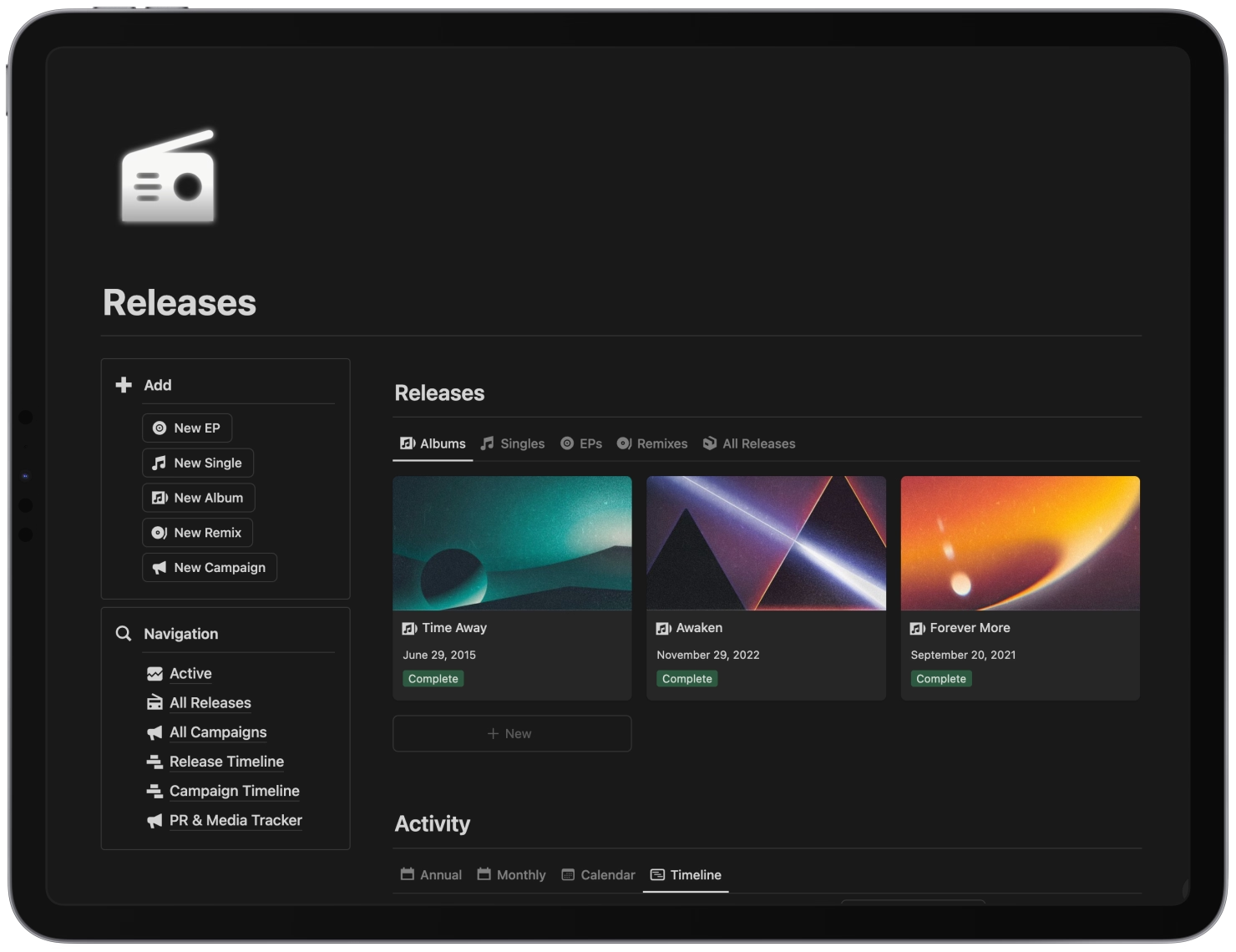
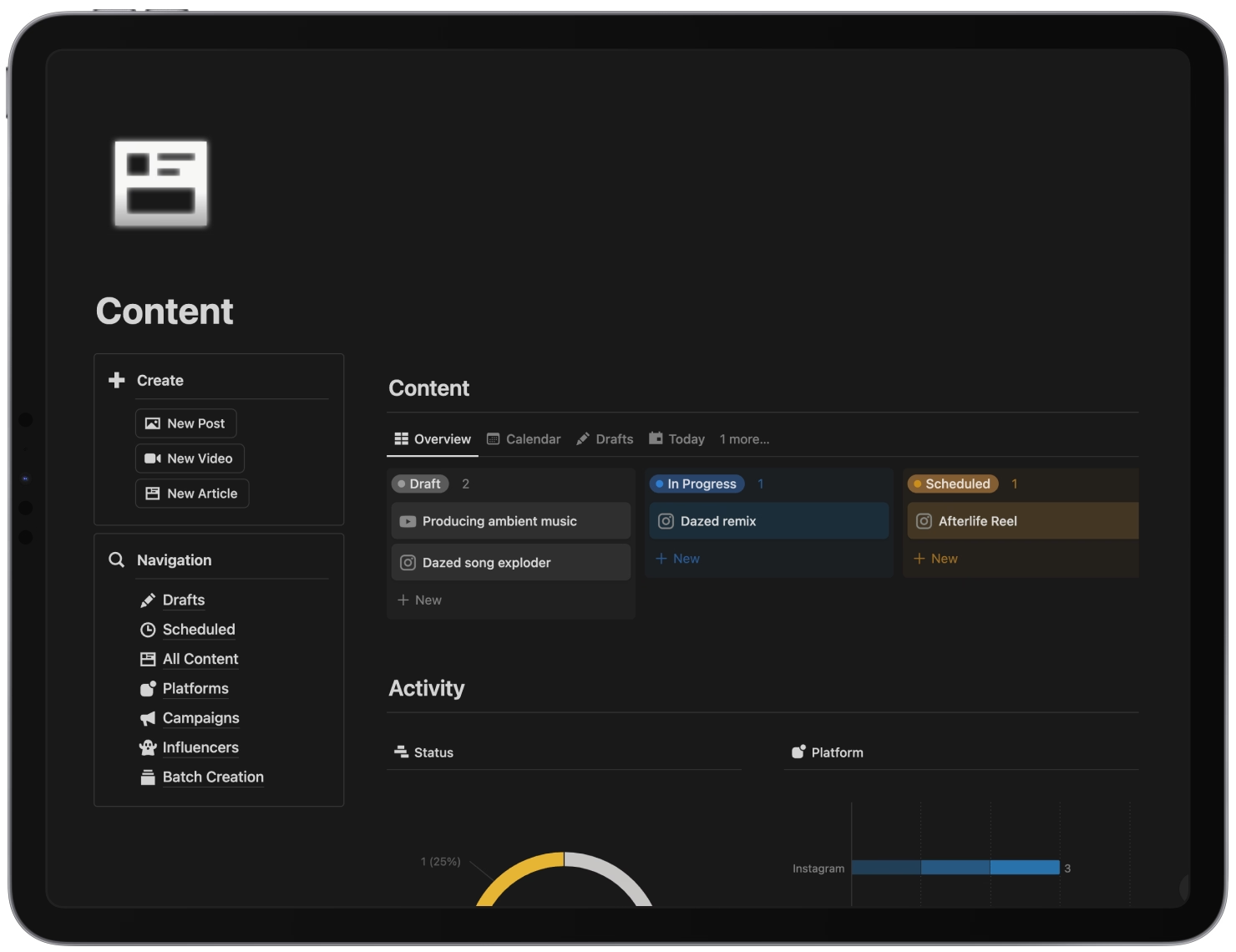
Write the three phases down as a checklist with dates, run it once, then improve it. The Releases template in Musician OS is that checklist pre-built, with the phases as task automations against the date, and the Content template holds the bank. The system is what makes the third release easier than the first, and the tenth reliable.
Frequently asked questions
What are the three phases of a music release?
Pre-release, which runs four to eight weeks before the date and builds the audience and the assets; release week, which converts that preparation into day-one saves, follows and conversation; and post-release, the month after, which keeps the song growing with alternate versions and new content. Most independent releases fail in the first phase by skipping it, or in the third by stopping on day two.
What should I do on release day?
Post the content that pays off what you teased, send one email to your list, share the link everywhere once, and spend the rest of the day replying to comments and messages. Ask people to save the song rather than just play it, watch for playlist adds so you can share them, and check the release is live and correct on every platform first thing in the morning.
What time does a song go live on Spotify?
At midnight local time in each territory, so a Friday release goes live in New Zealand and Australia many hours before Europe and the Americas. Plan your first posts around where your listeners actually are, not around your own time zone, and don't panic if the song is live in one country and not yet in another.
How long should I promote a song after release?
At least a month. Platforms watch for sustained saves and repeat listens over weeks, not days, so a plan for weeks two, three and four (an alternate version, the song inside other content, a remix or something the audience does) matters as much as release week. After that, the next single's campaign takes over.