Every streaming and social platform runs on a different set of signals, and a release that works on one can pass unnoticed on another. This guide goes platform by platform through the four that matter most to an independent release in 2026, and says what each one rewards, what to prepare for it, and what’s a waste of time.
It doesn’t replace a release plan. Release Music Like a Pro is the overall shape; this is what to do inside it, per platform.
Spotify
Still the largest streaming platform in most markets, and the one whose recommendation systems decide the most.
Pitch every song. Spotify for Artists takes pitches for unreleased music only, at least seven days before release. It’s the only way onto editorial playlists, and pitching is also what puts the song in your followers’ Release Radar. Fill in the form for a human: genre, moods, the story in two sentences.
Pre-saves. A pre-save adds the song to the listener’s library at release and usually follows your profile. The day-one cluster of saves and follows is what the algorithmic playlists respond to. Open it two to three weeks out, after people have heard a snippet.
Canvas. The short looping video behind a track. Spotify’s own data has said Canvas lifts saves and shares; whatever the exact effect, it’s a cheap thing to have and a strange thing to skip. Loop three to eight seconds of something that matches the song.
Your own playlists. Rather than one playlist of your songs, keep a few themed playlists in your genre with your track sitting naturally among artists your listeners already follow. Update them regularly; a playlist that moves gets followed.
Profile upkeep. Bio, photos, the artist pick, upcoming shows. This mostly matters for the listener who lands on the page from a playlist and decides in five seconds whether to follow.
What’s a waste: paying anyone for playlist placement. Spotify removes streams and songs over it.
Apple Music
Smaller than Spotify in most countries, but it pays the recording owner more per stream, its listeners skew towards people who pay for music, and it has two tools nobody uses enough.
Lyrics. Apple Music’s lyrics search finds a song from a single line. Deliver synced lyrics through your distributor and check they display. It’s discovery for free.
Shazam data. Apple Music for Artists shows where and when people Shazam your song, which is the closest thing you have to knowing where it’s being played in the world: a bar, a shop, a radio station in a city you’ve never visited. That’s booking and pitching information.
Artwork. Apple’s interface is artwork-heavy. Cover art that reads at thumbnail size and looks deliberate does more here than anywhere.
Spatial audio. Apple promotes Dolby Atmos releases in its own editorial. If you’re in pop, electronic or ambient and can get an Atmos mix done affordably, it’s a way onto playlists that most independents ignore.
Radio. Apple Music 1 and its sibling stations are host-driven. A pitch to a specific show whose taste matches yours is worth one email. Blanket pitching isn’t.
YouTube
A search engine, a social network and a video platform at once, and the only one of the four where a piece of content keeps working for years.
Several formats per song. The official video, a lyric video, a live or acoustic version, a behind-the-scenes piece, and Shorts cut from all of them. Each format catches a different search and a different mood. One video is one chance.
Chapters. For anything over a few minutes, timestamped chapters (intro, the story, the breakdown, the performance) keep people watching and show up in search results.
Thumbnails and titles. Decide these before you shoot, not after. A face with an expression, bold high-contrast text, a title that asks a question or promises a story. Most of your views are decided here.
Playlists for retention. Chain your own videos so the next thing after the music video is your behind-the-scenes, not another artist. YouTube’s recommendations weight what people watched next.
Shorts. Vertical, under a minute, the same clips you cut for TikTok and Reels. They feed subscribers into the channel where the longer work lives.
TikTok
The biggest discovery engine for new music right now, and the one that behaves least like a music platform.
Several sounds from one song. Post different sections as separate videos over a few weeks: the chorus, the bridge, a slowed version, an instrumental moment. You’re giving people more than one way to use the song.
Deliver the audio early. Most distributors can send the track to TikTok before the streaming release. Ask. It means videos made in the pre-release window attach to the official sound, so the momentum carries into release day.
Trends as a frame, not a costume. Use a format that’s moving if your song fits it. Don’t contort the song to fit a trend; people can tell.
Reply to everyone who uses the sound. Duet, stitch, comment, repost. TikTok rewards the conversation, and the people using your song are the ones most likely to become fans.
Be ready to move. If a clip takes off, you have days, not weeks. More videos on that section, a challenge, the full song pushed hard on streaming, a small ad spend behind the clip that’s already working.
The rest
Instagram behaves like TikTok for Reels and like a fan club for everything else; Building Your Digital Stage covers it. Bandcamp is where fans pay directly and where physical and merch sell alongside the music; it suits some genres far better than streaming does. Amazon Music, Deezer and Tidal need correct metadata and nothing more from a small artist. SoundCloud still matters in electronic and hip-hop scenes as a place for edits, demos and unofficial versions that shouldn’t clutter your streaming profile.
You don’t need a strategy for all of them. You need the two or three where your listeners are, done properly, and correct delivery everywhere else.
Running it
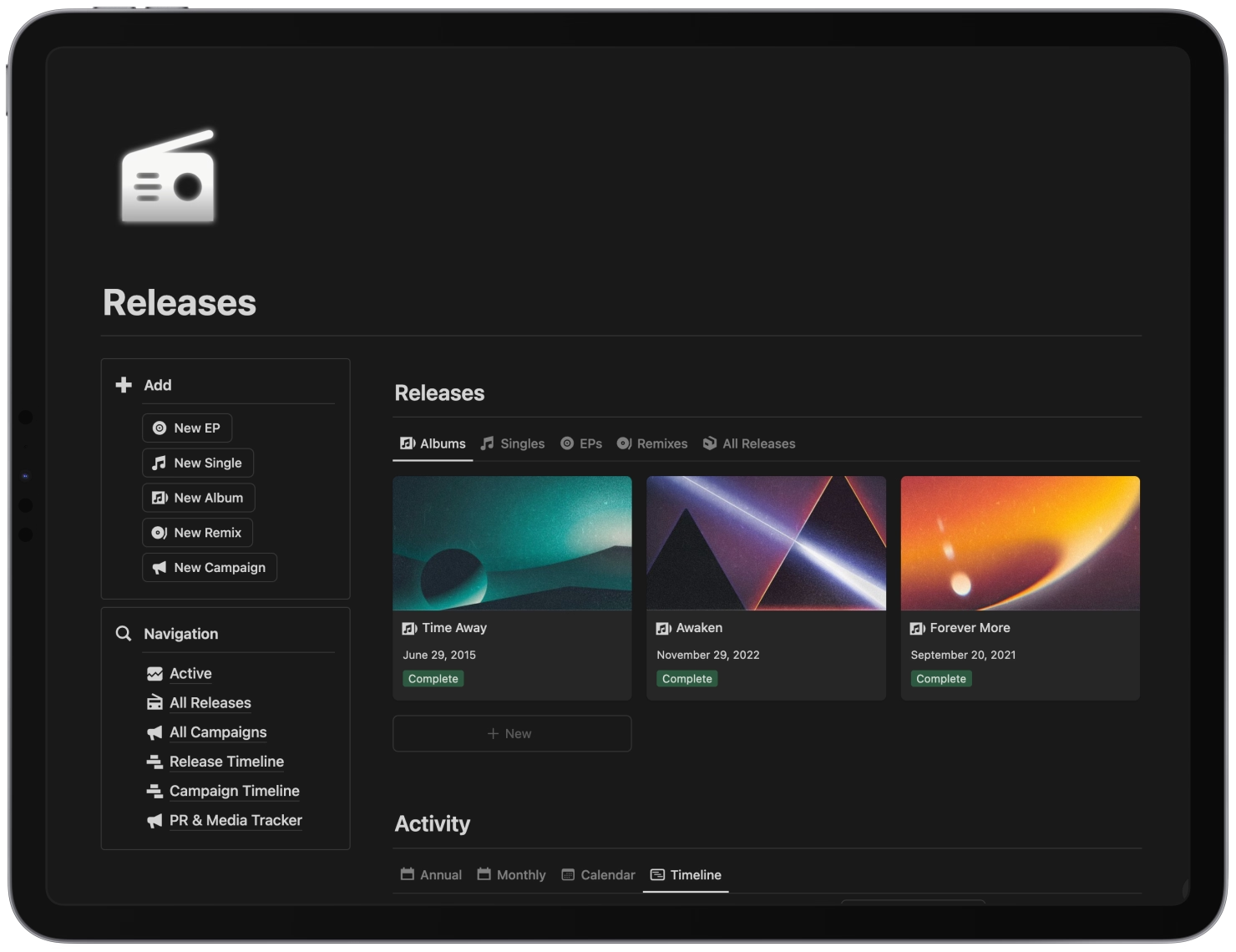
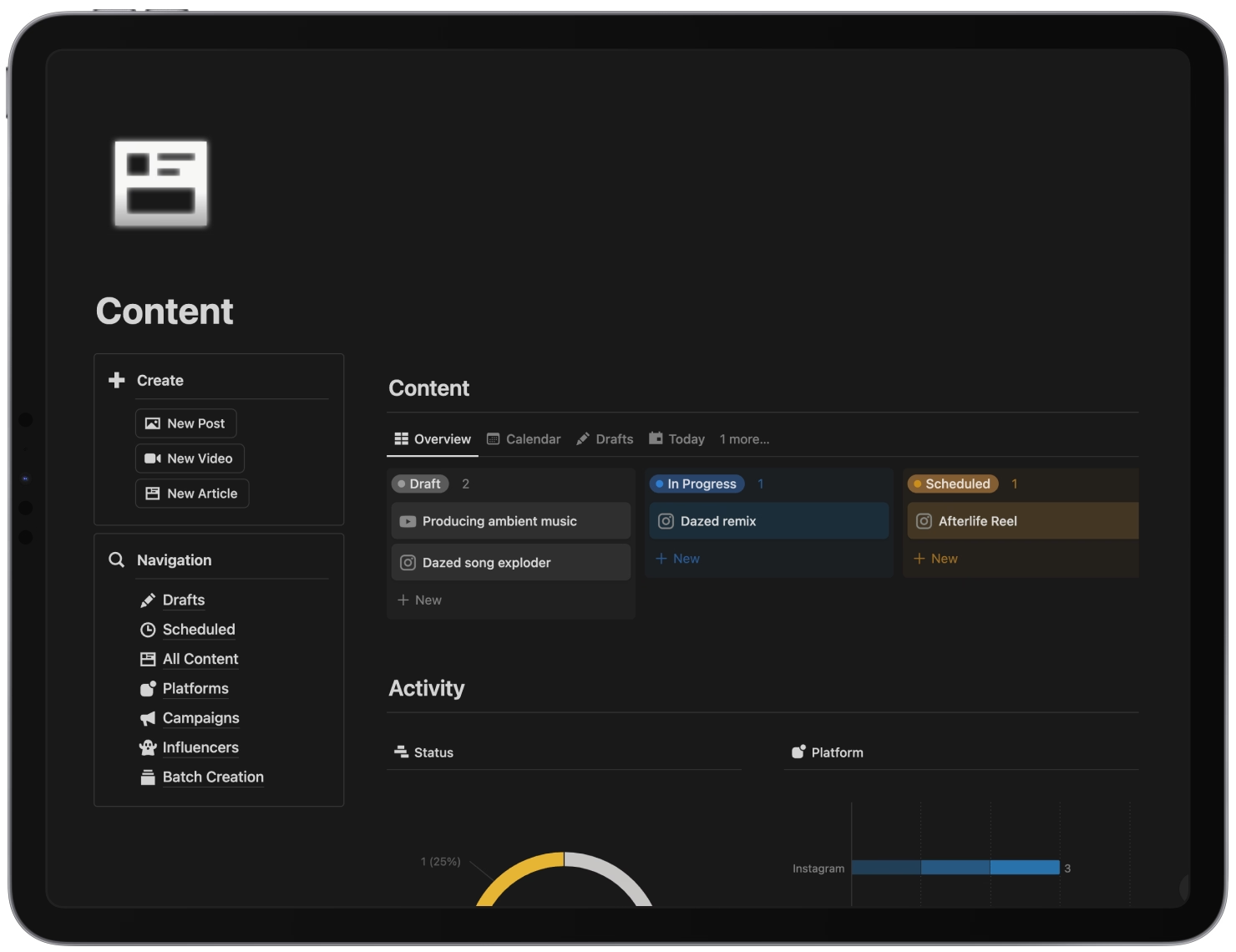
Every platform above wants something prepared in advance: the pitch, the pre-save, the canvas, the lyrics, the thumbnails, the sound delivery. That’s a checklist, and it’s the same checklist for every release. The Releases template in Musician OS holds it as automated tasks against the date; the Content template holds the per-platform cuts. Whatever you use, write the list down once. The platforms will change their rules, and you’ll change the list, but you’ll never again be working it out the week of a release.
Frequently asked questions
How do I get my music on Spotify playlists?
Pitch every unreleased song through Spotify for Artists at least seven days before release. That's the only route to editorial playlists, and it also puts the song in your followers' Release Radar on release day. Algorithmic playlists like Discover Weekly respond to saves, repeat listens and follows, so the pre-release campaign that produces those on day one matters more than any pitch.
Is Apple Music worth focusing on as an independent artist?
Yes, as a second platform. It pays the recording owner more per stream than most services, its lyrics search lets people find a song from a line they half remember, and Apple Music for Artists shows Shazam data, which tells you where people are hearing the song in the real world. Upload synced lyrics through your distributor and keep your profile current.
What should musicians post on YouTube besides the music video?
Lyric videos, a live or acoustic version, a behind-the-scenes piece and Shorts cut from all of them. YouTube is a search engine, so each format catches a different search, and the extra videos keep viewers inside your channel through playlists. Longer videos benefit from chapters and a thumbnail that reads at phone size.
How do I use TikTok to promote a song?
Post several different sections of the song as separate videos over a few weeks, reply to and duet anyone who uses the sound, and have the audio delivered to TikTok before the streaming release so early videos attach to the official sound. If a clip starts moving, add fuel quickly: more videos on that section, a challenge, a small ad spend.