Most musicians don’t have a motivation problem. They have a list problem.
Open your notes app and look at what’s on there. Finish the bridge. Send the stems to the mix engineer. Reply to that booker. Post something. Chase the sync agent. Order merch. Practise. Somewhere in that list is the thing that actually moves your career, and it’s sitting next to “buy gaffer tape” in the same font with the same tick box.
So the day goes to whatever shouts loudest. Usually that’s messages. The bridge stays unfinished, and you go to bed feeling busy and behind at the same time.
The 1-3-5 rule is the simplest fix I know. It’s a daily shape rather than a system: every day you pick one big thing, three medium things and five small things. Nine items, ranked by weight, and nothing else gets to pretend it’s important.
Why nine, and why those sizes
The numbers aren’t magic. They’re a forcing function.
A to-do list with forty items has no opinion about your day. A list with nine has a strong one. When you have to choose the single big thing, you can’t hide behind volume. When there’s only room for five small tasks, “reply to everyone” stops being a task and becomes a choice about who actually matters today.
The sizes also match how energy works. Nobody has eight hours of deep focus in them. Most of us get two or three good hours, a stretch of medium-quality attention, and a tail end where we can still answer emails but shouldn’t be signing off a mix. The 1-3-5 shape maps onto that: one thing for the good hours, three for the middle, five for the tail.
What the layers look like for a musician
The one
This is the thing that, if it’s the only thing you do today, makes the day a win. It should be creative or career-defining, and it should be finishable. Not “work on the album”. Something with an edge to it:
- Finish the bridge on the new song, lyrics included
- Record final vocals for the single
- Sign off on the master
- Write the pitch to the sync agent and actually send it
- Build the tour budget in full
One test: if you’d be slightly embarrassed to tell a bandmate you didn’t get to it, it’s the one.
The three
Medium tasks are real work, but they don’t need your best hour. They’re the scaffolding around the one. It helps to pull them from different parts of the job, so a whole week doesn’t quietly disappear into just content or just admin:
- Music: rehearse the new set, bounce stems, sketch an arrangement
- Business: update the EPK, follow up with the three venues from last week, price the vinyl run
- Audience: batch a week of posts, reply properly to the fans in your DMs, cut a behind-the-scenes clip
The five
Small tasks are maintenance. Each is ten minutes or less, and the point is to get them out of your head so they stop taxing the bigger work:
- Reply to the booker
- Confirm the rehearsal time
- Update the release calendar
- Share a friend’s new single
- Pay the invoice
If a small task turns out to be big once you start it, stop. Move it up a tier tomorrow. The tiers are there to be honest about size, not to squeeze things in.
A day that actually works
The order matters as much as the list. This is the shape I’d suggest, and it’s roughly how I run a release week:
- First 20 minutes: the five. Knock the small stuff out while the coffee’s still hot. It clears the decks and gives you five ticks before the hard part.
- Next two to three hours: the one. Phone in another room. This is the only block that needs protecting, so protect it.
- After lunch: the three. Medium tasks, with breaks between them. This is where the afternoon attention dip does the least damage.
If you’re a night person, flip it. The rule doesn’t care what time it is. It only cares that the one gets your best hours, whenever those are.
The night before
The whole thing runs on one habit: choose tomorrow’s one before you go to bed.
It takes about five minutes, and it changes the morning completely. You wake up with a decision already made, which means you don’t spend your freshest attention deciding what to do with your freshest attention. You just start.
Write the three and the five at the same time if you can. If not, the one is enough. The rest can be filled in over the morning coffee.
Where it goes wrong
Everything is a “one”. If you find yourself with three ones, you have a planning problem, not a productivity problem. Pick the one you’d be most annoyed to leave undone. The others go to the three, or to tomorrow.
The one is too big. “Finish the album” is not a daily task. If your one keeps rolling over unfinished, it’s the wrong size. Cut it until it fits in three hours.
The five eats the day. Small tasks breed. Give them a timer. When it goes off, whatever’s left waits.
Gig days. On a show day, the one is the show. Don’t pretend you’re going to finish a mix at soundcheck. Two or three small tasks in the van is plenty.
Perfectionism. The one is done when it’s done, not when it’s perfect. A finished bridge you can revisit beats a perfect bridge you never wrote.
The maths, honestly
Say you run this five days a week, forty-eight weeks a year. That’s:
- 240 big things
- 720 medium tasks
- 1,200 small ones
I’m wary of the compound-effect motivational stuff, but I do believe in that first number. 240 finished big things is more songs written, more pitches sent and more masters signed off than most independent artists manage in three years, because most of us average one big thing a week and lose the rest to the list.
Start smaller than nine
Don’t start with the full nine. Tonight, write down tomorrow’s one. Do that for a week. Add the three the week after, and the five once the first two feel normal.
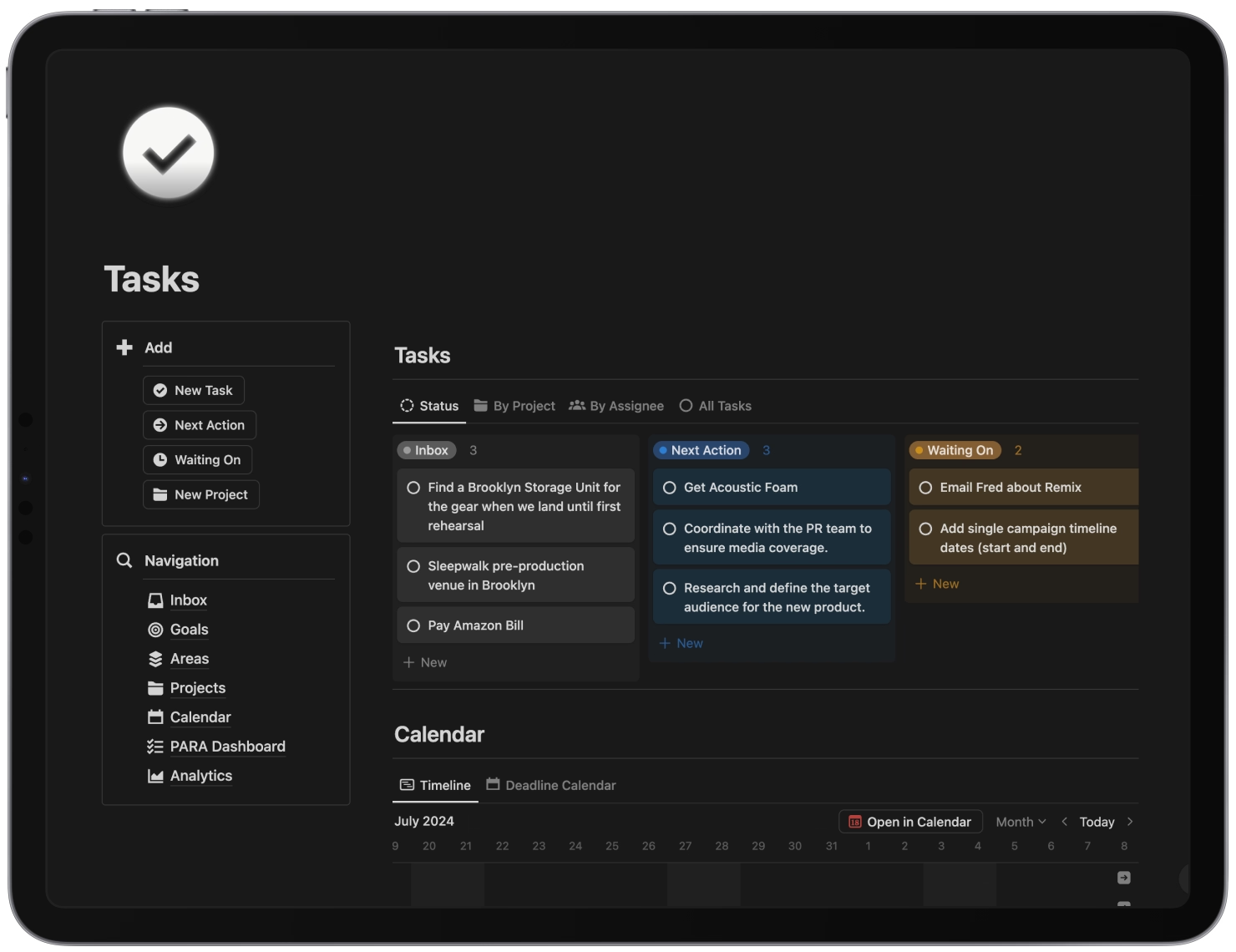
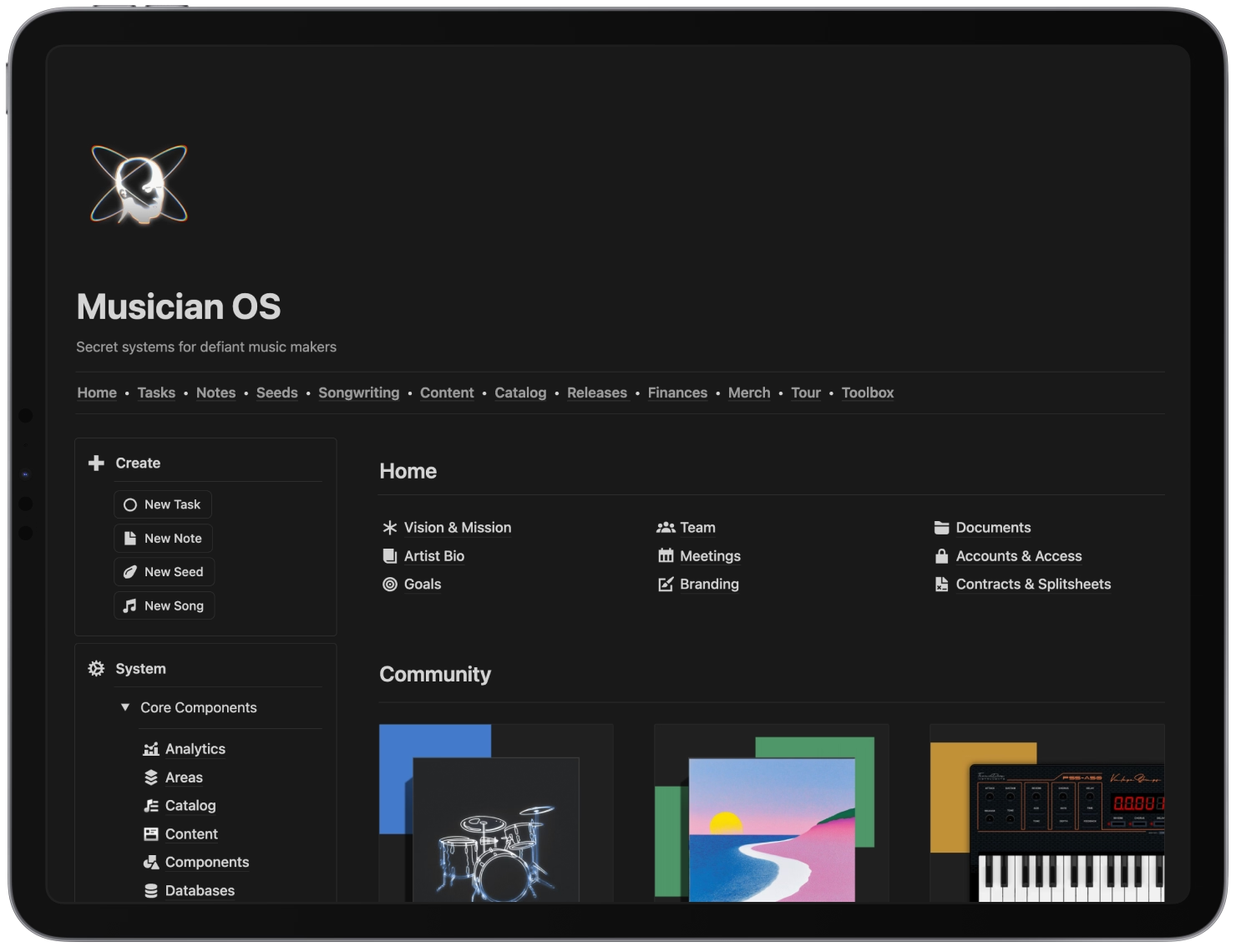
If you want somewhere to keep it, Musician OS has a Tasks dashboard built for daily priorities. A sticky note on the desk works too. The shape is the point, not the tool.
Frequently asked questions
What is the 1-3-5 rule?
The 1-3-5 rule is a daily planning method: each day you pick one big task, three medium tasks and five small ones, nine items in total. The sizes force you to decide what actually matters, and they map onto how attention works across a day: one thing for your best hours, three for the middle, five for the tail end.
How does the 1-3-5 rule work for musicians?
The one big thing is creative or career-defining and finishable in a sitting, like finishing a bridge, recording final vocals or sending a sync pitch. The three medium tasks are real work that doesn't need your best hour, ideally one each from music, business and audience. The five small tasks are maintenance under ten minutes each: replies, confirmations, calendar updates.
When should I plan my 1-3-5 list?
The night before. Choosing tomorrow's one big thing before bed takes about five minutes and means you start the day with the decision already made. Fill in the three and the five over morning coffee if you didn't do them the night before.
What do I do on a gig day?
On a show day the show is your one big thing. Don't schedule a mix session around soundcheck. Two or three small tasks in the van is plenty, and the medium tasks wait until the next working day.