
Master Your Music Business
Chapter 9
Separate Personal & Business Finance
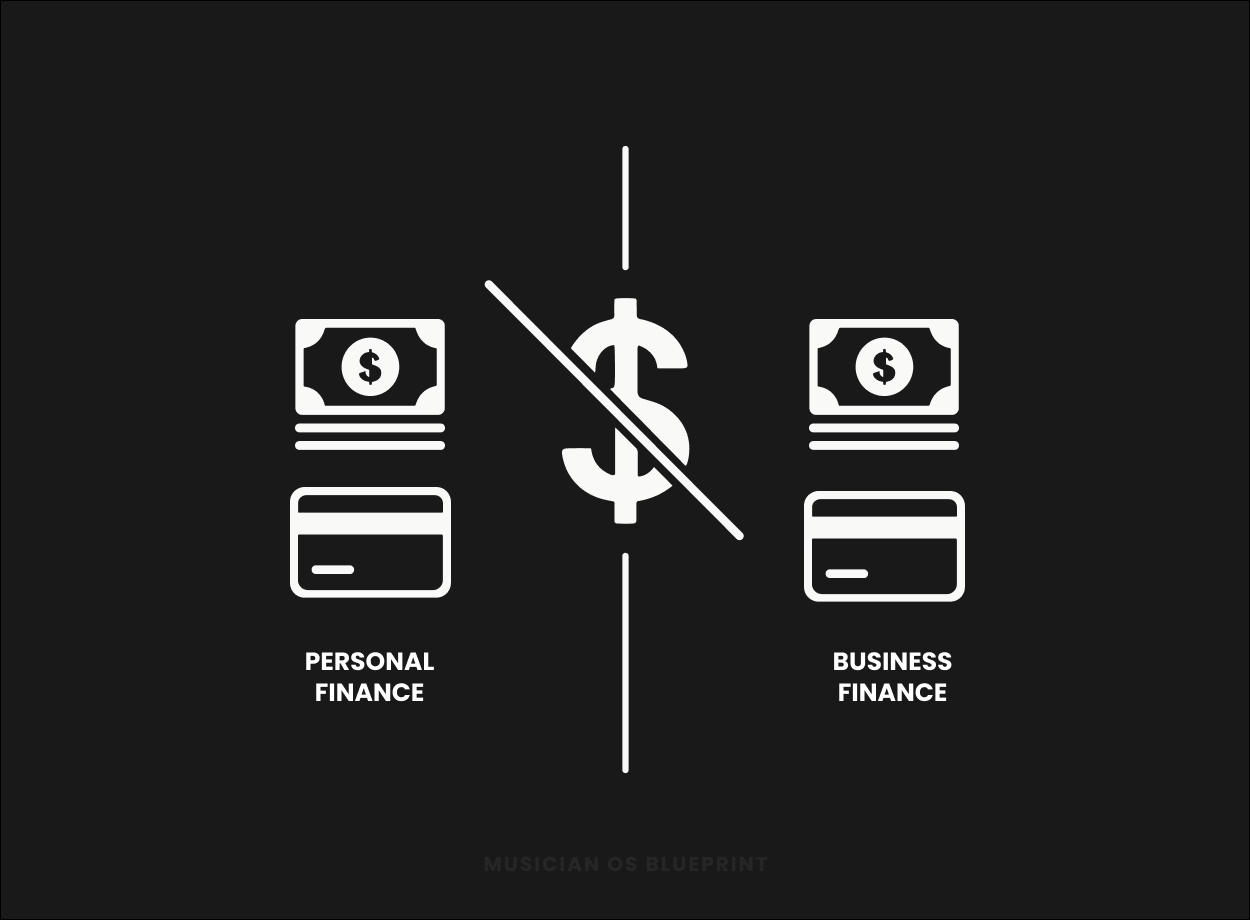
The cardinal sin of music business management is commingling personal and business finances. This creates tax nightmares, makes accounting nearly impossible, and generally leads to financial anxiety.
Establish dedicated business accounts.
- Business Checking Account: All music income flows here first
- Business Savings Account: For tax reserves (set aside 25-30% of all income)
- Business Credit Card: For tracking expenses and building business credit
When money comes in from streaming, live shows, or merch sales, it goes to your business account. When you want to pay yourself, transfer a formal “owner’s draw” to your personal account. This clean separation creates financial clarity and significant tax advantages.
Begin by diligently recording all transactions, maintaining digital receipts, and conducting monthly reconciliations. This creates the foundation for business insights and tax compliance. As your revenue grows, consider engaging a quarterly bookkeeper and later bring in a music industry accountant for annual tax planning.
Even with professional help, certain financial responsibilities remain with you or your team. Tour managers must track settlements and merchandise sales, band members need standardized expense submission processes, and you must maintain oversight of your financial health.